-
From Land to Landmark: How Structured Layouts Accelerate Growth

Converting land parcels into structured residential layouts is considered one of the most effective strategies in real estate development. This model allows investors to acquire land at competitive prices, implement systematic development, and generate significant value appreciation — especially when backed by sound location planning and regulatory clarity. Unlocking Exceptional Value Potential Undeveloped land often…
-
Is Investing in Fractional Real Estate Safe in India?

Real estate has always been a favored avenue for long-term wealth creation. However, traditional real estate demands high capital, extensive paperwork, and active management—making it inaccessible to many. This is where fractional real estate investing offers a modern solution. By allowing multiple investors to co-own premium properties, it opens up opportunities previously reserved for high-net-worth…
-
Chamarajanagar: India’s Emerging Industrial Growth Zones

Traditionally known for its agrarian roots and cultural richness, Chamarajanagar is undergoing a transformational shift. Backed by strategic infrastructure development and focused policy interventions, the district is fast becoming a pivotal industrial destination in South Karnataka. The emergence of Chamarajanagar as one of India’s fastest-growing economic zones underscores its evolution from Agro economy to a…
-
What Makes Agricultural Land a Strong Asset Class?

Agricultural land refers to plots used for crop cultivation and food production. When overseen by professional teams with agricultural expertise, these assets are enhanced for productivity and income generation — all while relieving the landowner of operational burdens. These setups involve experienced professionals handling everything from planning and crop cycles to harvest and marketing. As…
-
Smart Investing, Smarter Ownership: The Future of Real Estate in India Today

Real estate has long been a preferred asset class for wealth creation in India. From owning residential properties to investing in commercial spaces for rental income, real estate offers both stability and long-term growth. However, rising property prices have made it increasingly difficult for individual investors to access high-value real estate assets. This is where…
-
Fractional Ownership: A New Era in Indian Real Estate Investment

The Indian real estate sector is undergoing a significant transformation. Traditionally centered around residential and commercial properties, the industry is now expanding into new avenues such as Real Estate Investment Trusts (REITs), fractional ownership, and Property Technology (PropTech) solutions. This evolution is diversifying investment opportunities, fostering specialized markets, and encouraging sustainable practices. As a result,…
-
How REITs and Fractional Real Estate Are Reshaping Real Estate Investments
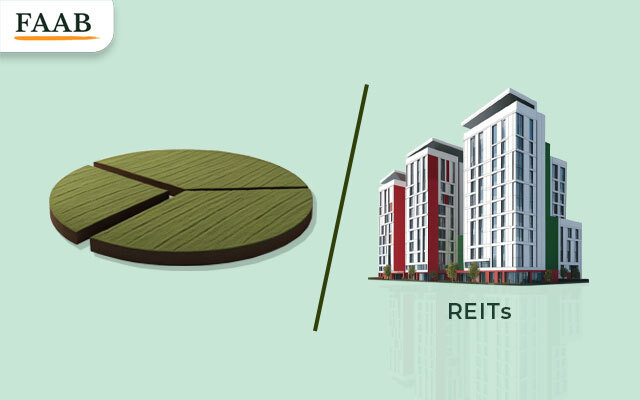
Real estate has always been seen as a stable and rewarding investment. But not everyone has the capital to buy an entire property or the time to manage it. That’s where modern investment models like Fractional Real Estate and REITs (Real Estate Investment Trusts) come in. Both offer access to real estate without the challenges…
-
Fractional Ownership in Agricultural Farmland vs Other Asset Classes
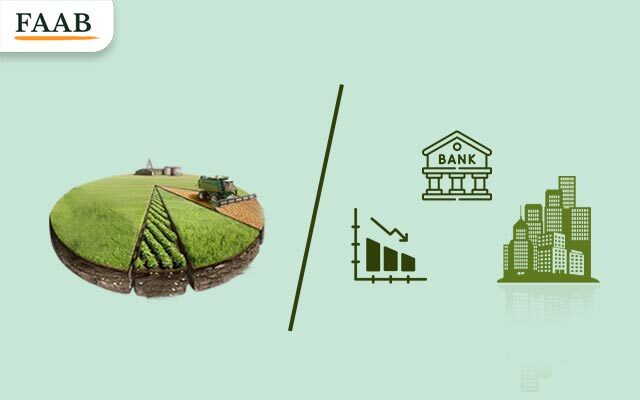
Investing in agricultural land and commercial real estate each presents distinct advantages and challenges. Here’s a comprehensive comparison to assist you in aligning your investment choices with your financial objectives and risk tolerance. 1. Growth and Returns Platforms like FarmFraX by FAAB enable investors to participate in farmland ownership with regular rental income and potential…
-
Unravelling Tomato Price Hikes: How FAAB Farms Thrived Amidst Challenges
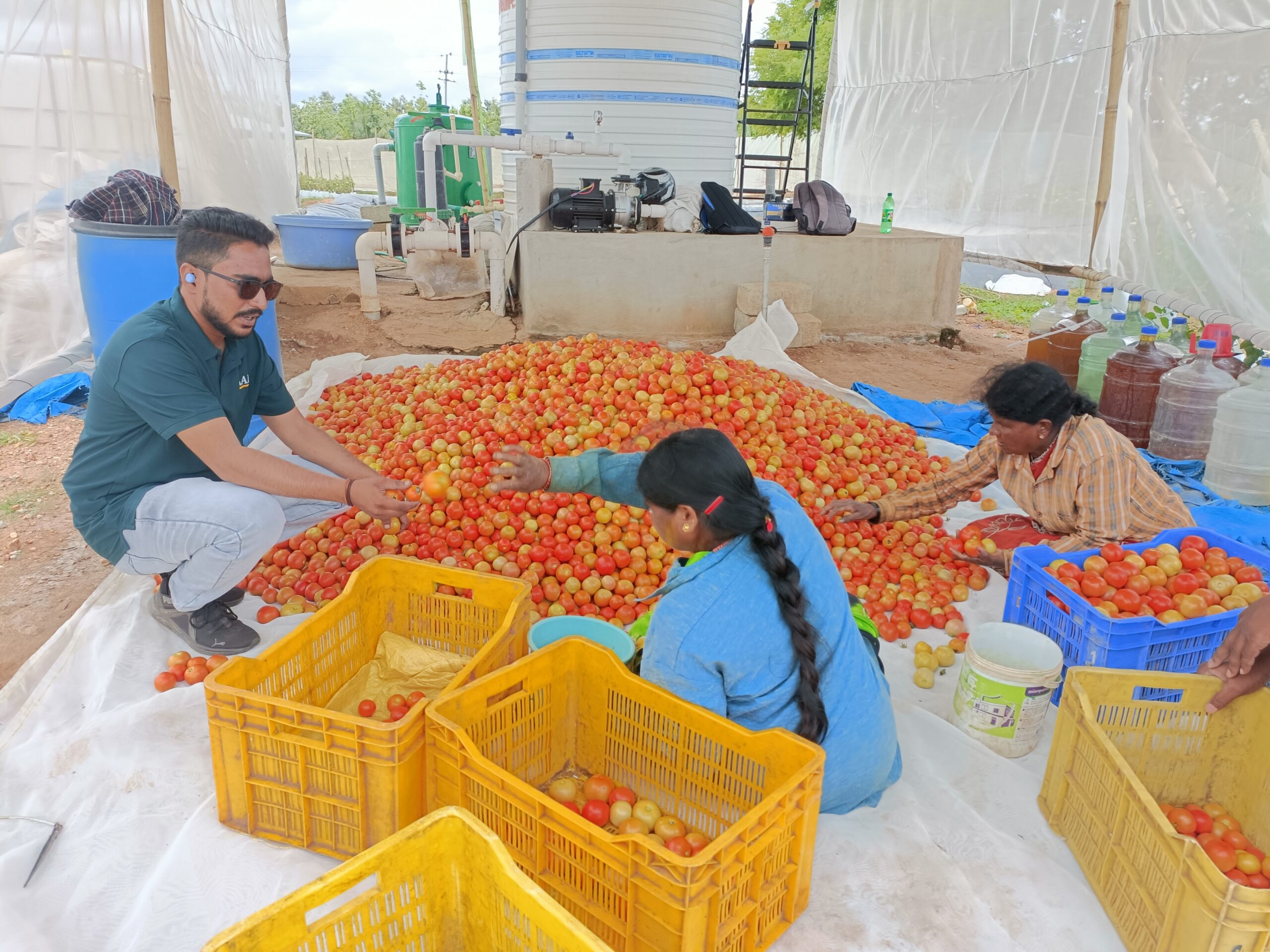
Have you noticed the alarming increase in tomato prices lately? It seems like the humble tomato has become a precious commodity, leaving consumers wondering about the reasons behind this price surge. The escalating costs have caused concerns for households and businesses alike, impacting budgets and culinary choices. Let us understand the major factors contributing to…